
Crime, Scandal and Conspiracy in Byzantium
Saturday, 24 October 2026 · 18:00 EEST
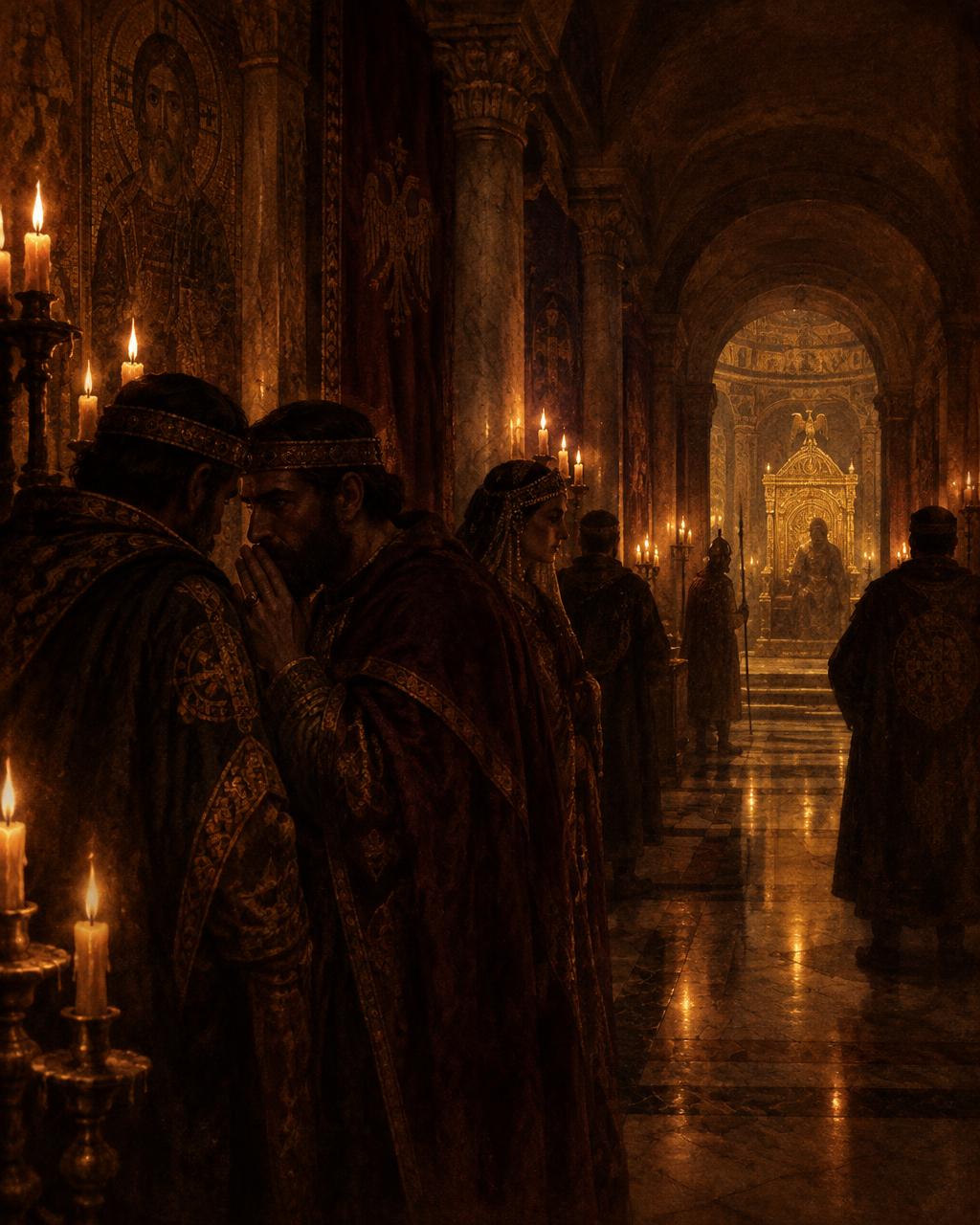
Behind the splendour of imperial ceremonies, magnificent churches, and courtly ritual, Byzantium was also a world of ambition, rivalry, accusation, and political danger. This two-hour online workshop enters the darker side of Byzantine history through some of its most fascinating cases of crime, scandal, conspiracy, and palace intrigue. Drawing on Byzantine chronicles, legal texts, letters, and other contemporary sources, we will examine stories of murder plots, political betrayal, illicit relationships, contested reputations, and struggles for power. But were these stories always true? Rather than simply retelling the most sensational episodes of Byzantine history, the workshop will ask how historians can distinguish event from accusation, fact from rumour, and historical evidence from literary construction. Particular attention will be paid to the ways Byzantine authors used scandal to praise or condemn emperors, empresses, courtiers, and political rivals. Participants will therefore encounter not only the dramatic personalities and events behind Byzantine court politics, but also the historian’s challenge of reconstructing a world in which reputation itself could become a political weapon. This workshop is designed for anyone interested in Byzantine history, politics, and culture. No previous specialist knowledge is required. Participants receive access to the live workshop, a selected reading list, the recording after the event, and a certificate of participation.
- 01Famous and lesser-known cases of murder, conspiracy, and palace intrigue
- 02Scandalous emperors, empresses, and powerful courtiers
- 03Political plots, accusations, betrayals, and struggles for the imperial throne
- 04How Byzantine chroniclers transformed rumour and scandal into historical narrative
- 05The role of gender, sexuality, reputation, and public morality in political accusations
- 06How historians evaluate conflicting and hostile Byzantine sources
- 07What stories of crime and conspiracy reveal about the structures of Byzantine power
Zoe Tsiami works at the intersection of religious history and social history in the late antique and Byzantine Mediterranean. Her scholarship attends to the everyday textures of Christian life — persecution, memory-making, liturgy, and civic identity — from the age of the martyrs through the middle Byzantine centuries.